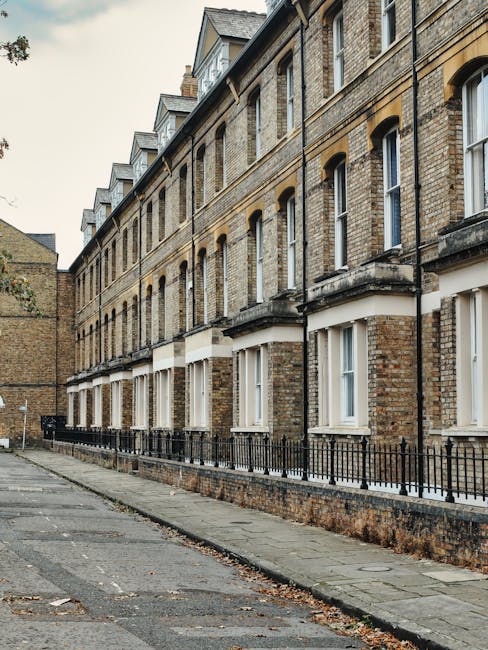
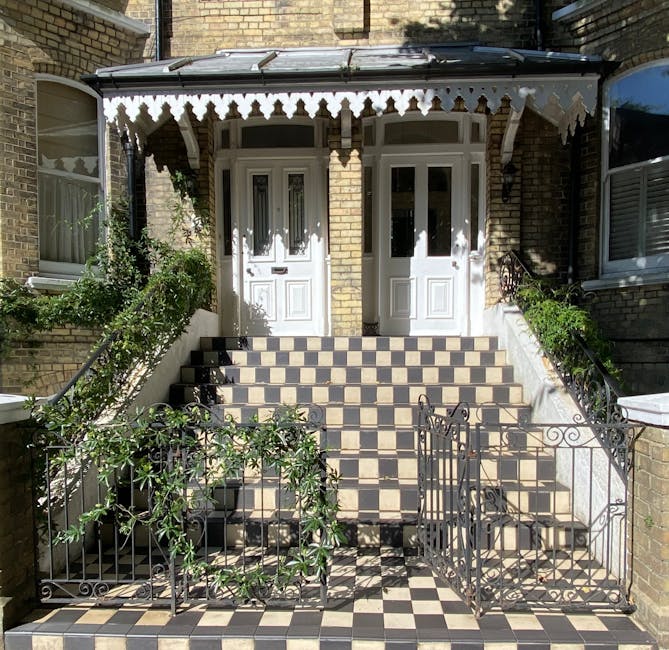
Protecting Period Property During a Finsbury Park Move
Moving a period home is a very different job from shifting a modern flat. If you are protecting period property during a Finsbury Park move, you are usually dealing with fragile plaster, narrow staircases, original floorboards, heavy sash windows, awkward door frames, and fixtures that have already survived decades, sometimes more. One careless corner, one rushed lift, and suddenly the nice old place is not looking so nice. Truth be told, that is what makes these moves stressful.
The good news is that careful planning changes everything. With the right packing methods, sensible access checks, and a removal team that understands older buildings, you can move without turning every doorway into a small drama. This guide walks through what matters, how to do it properly, and which mistakes to avoid if you want the move to feel controlled rather than chaotic.
For many households, the smartest approach is to combine specialist handling with the right moving service. If you are planning a residential move, it can help to look at home moves or house removalists early in the process, especially when the property itself needs extra care. And if your move involves a smaller load or awkward access, a man and van or man with van service may be the more practical fit.
Table of Contents
- Why Protecting Period Property During a Finsbury Park Move Matters
- How Protecting Period Property During a Finsbury Park Move Works
- Key Benefits and Practical Advantages
- Who This Is For and When It Makes Sense
- Step-by-Step Guidance
- Expert Tips for Better Results
- Common Mistakes to Avoid
- Tools, Resources and Recommendations
- Law, Compliance, Standards, or Best Practice
- Options, Methods, or Comparison Table
- Case Study or Real-World Example
- Practical Checklist
- Conclusion
- Frequently Asked Questions
Why Protecting Period Property During a Finsbury Park Move Matters
Period properties are beautiful, but they are also unforgiving during a move. In Finsbury Park, you will often see older terraces, conversions, maisonettes, and houses with original features that were never designed with modern furniture and big boxy sofas in mind. Hallways can be narrow. Landings can be tight. Staircases can turn sharply without much room to manoeuvre. Even a simple wardrobe can become a puzzle.
Protecting the property matters for three reasons. First, the building itself may be more vulnerable to knocks and scrapes than a newer home. Second, the fittings and finishes are often harder, and sometimes more expensive, to repair. Third, the emotional cost is real. If you are moving out of a house you have lived in for years, the last thing you want is a chipped banister or torn wallpaper on the way out. That stuff stays in your memory, annoyingly.
There is also a neighbourhood factor. In a busy part of London, parking, timing, and access can all influence how smoothly a move goes. A team that understands local conditions can make a huge difference, particularly if they are used to working in compact streets and older residential buildings. When the move also includes office equipment or business stock, it can help to review commercial moves or office relocation services as a reference point for more structured planning.
Expert takeaway: Protecting period property is not just about wrapping furniture well. It is about controlling movement, reducing friction, and planning every step around the building's weaknesses.
How Protecting Period Property During a Finsbury Park Move Works
The process is simpler than it sounds, though not necessarily easy. You start by understanding the property, then you plan the route, then you pack and move items in the safest order. The building dictates the method, not the other way round. That is the key idea.
In practice, the workflow usually looks like this:
- Survey the property carefully. Measure stairwells, door widths, ceiling heights, tight turns, and any low-hanging fittings. Old properties can be full of little surprises.
- Identify fragile features. Think plasterwork, mouldings, cornices, original wood floors, fireplaces, glass panels, and decorative radiators.
- Choose the right packing approach. Some items need double-walled boxes, blankets, stretch wrap, corner protectors, or wardrobe cartons.
- Prepare access points. Cover floors, protect door jambs, and remove trip hazards from hallways and landings.
- Load in the correct order. Heavy, stable items go first in the vehicle. Fragile items need a separate, protected position where they will not shift.
- Unload with control. Rushing at the finish is where many avoidable accidents happen. Quite often, the last ten minutes matter most.
A larger vehicle can be useful if you want fewer trips, but size should be matched to access. A moving truck may be ideal for volume, while removal truck hire can suit more complex loads that need extra capacity and organisation. For small, delicate collections or single bulky items, furniture pick up may be the more sensible option.
One thing people often miss: protecting the property is not only about what gets moved, but how the empty rooms are left during loading. Open drawers, loose screws, wandering pets, and trailing cables all create risk. A good move is calm, almost boring. That is the goal. Boring is brilliant on moving day.
Key Benefits and Practical Advantages
Taking the time to protect period features brings a few immediate benefits, and they are not abstract benefits either. They show up in the real world, usually right where the stress would otherwise start.
- Less damage to original features: Floors, walls, architraves, and bannisters are less likely to get marked or chipped.
- Lower repair hassle: Avoiding damage means fewer awkward post-move fixes and fewer costs to chase down.
- Smoother handling: If the property is protected properly, movers can work more confidently and with less hesitation.
- Better time management: A clear plan reduces backtracking, which matters in a property with tight access.
- More peace of mind: You can focus on the move itself rather than worrying about every corner and scrape.
There is also a subtle but important benefit: you preserve the character of the building. Older properties have a kind of dignity about them. Even the smell of old timber, polish, and slightly over-warm radiators can feel part of the place. Keeping those features intact is not sentimental fluff; it is part of preserving value and livability.
If packing is likely to be one of the hardest parts, a dedicated packing and unpacking services option can save time and reduce damage, especially where fragile household items are mixed in with bulky furniture.
Who This Is For and When It Makes Sense
This approach makes sense for anyone moving from or into a period property in or around Finsbury Park, but it is especially useful for a few types of mover.
Homeowners with original features often want to avoid damage to floors, mouldings, fireplaces, and stair rails. Renters may need to return a property in good condition and avoid deposit disputes. Buyers and sellers often have a tight completion timeline, so efficiency matters as much as care. Families with children and lots of belongings usually need a calmer, more structured move because there is simply more to coordinate.
It also makes sense if the property has:
- steep or narrow stairs
- fragile internal plasterwork
- original floorboards or parquet
- low ceilings or awkward loft access
- older internal doors that do not open fully
- large items that need partial dismantling
- shared entrances or communal hallways
And yes, it still matters if you are only moving a short distance. Some people assume local equals easy. Not really. A move across the road can still be awkward if the staircase is tight and the sofa is determined to stay enormous.
Step-by-Step Guidance
Here is a practical way to approach the move without getting lost in the detail. You do not need to do everything at once. Just work through it in order.
1. Start with a property walk-through
Walk through the home slowly and make a note of anything that could be damaged or could make moving difficult. Check for narrow turns, delicate plaster, loose floorboards, and fragile fittings. If the property is older, assume access will be trickier than it first appears. That assumption usually saves time.
2. Measure the problem areas
Measure doors, hallways, stair turns, and larger items before moving day. A few minutes with a tape measure can prevent a very awkward moment later when someone is trying to angle a wardrobe through a landing like a game show contestant. Not ideal.
3. Decide what should be dismantled
Large furniture often needs to be taken apart in part or in full. Beds, tables, shelving units, and some wardrobes move more safely when reduced into manageable sections. Keep screws and fittings in labelled bags, and tape them to the correct item or store them in one clearly marked box.
4. Protect the building before anything moves
Put down floor coverings, especially along the main route from room to exit. Use padding on corners, bannisters, and door frames. In a period property, the most exposed areas are often the ones people walk past without noticing. A little protection goes a long way.
5. Pack fragile items by room
Group breakables together and pack them with enough cushioning that items cannot shift. Plates, glass, mirrors, lamps, and framed pictures each need slightly different handling. If you have antiques or sentimental pieces, treat them as irreplaceable, because in practical terms they usually are.
6. Load strategically
Load heavier furniture first, then build around it with stable boxes and protected items. Leave nothing loose inside the vehicle that could slide. Secure everything so it cannot tip when the truck brakes suddenly. London traffic has a way of making every stop a little more dramatic than you wanted.
7. Unload carefully and reset the route
Do not rush the final stretch. The entrance, landing, and doorway edges often take the biggest knocks during unloading. Keep the route clear, keep communication simple, and stop if something feels awkward. A short pause is better than a damaged frame.
If you are comparing ways to move, a smaller team and vehicle setup may be enough for a light load, while a larger vehicle becomes more useful when period furniture, multiple bedrooms, or awkward access are involved. That is where a moving plan really earns its keep.
Expert Tips for Better Results
After enough moves, a pattern starts to show. The smooth ones are rarely the ones that rely on speed. They are the ones that avoid surprises.
- Use breathable protection on delicate surfaces where possible. You do not want to trap moisture against old finishes for long periods.
- Label everything by room and priority. In a period property, this cuts down on the chaos at both ends.
- Keep a small tool kit handy. Screwdrivers, tape, marker pens, Allen keys, and scissors save endless wandering about.
- Take photos before dismantling. That helps with reassembly later and is especially useful for complex furniture.
- Move one problem item at a time. If a piece looks awkward, pause and plan the angle. Do not muscle it through and hope.
- Protect the floors first, not last. People always mean to do it, and then someone says "we'll just be careful." That usually ages badly.
Here is a small but useful insight: the person guiding the move should be the one who knows the property best, not necessarily the one who is physically lifting. The person who understands which bannister wobbles, which step creaks, and which door sticks can prevent half the problems before they begin.
If you are unsure about the scale of support you need, start with a service that matches the complexity of the job. For instance, man with van support can suit lighter, more flexible moves, while a larger setup may be better for fuller households. The right fit matters more than the fanciest option.
Common Mistakes to Avoid
Most move-related damage is not caused by one huge error. It is usually a chain of smaller ones. A bit of rushing here, a bit of overconfidence there, and suddenly a chipped skirting board appears in the post-move daylight.
- Assuming old buildings are "just like any other house." They are not. Their weak points are different.
- Skipping measurements. Guesswork is expensive when furniture gets stuck halfway down a stairwell.
- Using poor-quality packing materials. Thin boxes and weak tape do not love heavy books or glassware. They fail quickly.
- Leaving floors unprotected. Shoes, trolley wheels, and furniture legs can mark surfaces surprisingly fast.
- Overfilling boxes. Heavy boxes are harder to carry and more likely to break open.
- Failing to coordinate access. If the vehicle cannot park well, the whole operation becomes slower and riskier.
- Trying to move oversized pieces without dismantling. This is where walls, corners, and pride all get hurt.
One particularly common mistake is forgetting that period homes often have more fragility than they show at first glance. A wall may look solid but have old plaster. A staircase may look sturdy but have edges that chip if they are clipped repeatedly. Small impacts add up. They really do.
Tools, Resources and Recommendations
You do not need a warehouse of equipment to protect an older property well, but a few things make life much easier.
| Tool or Material | Best Use | Why It Helps |
|---|---|---|
| Floor coverings | Hallways, landings, and entry routes | Reduces scuffs, dirt transfer, and trolley marks |
| Furniture blankets | Tables, wardrobes, mirrors, and wooden pieces | Protects corners and surfaces from impact |
| Strong packing tape | Boxes and wrapped items | Stops boxes opening and keeps protection in place |
| Bubble wrap or paper cushioning | Glassware, ornaments, framed pieces | Prevents movement and absorbs knocks |
| Corner protectors | Door frames, furniture edges, mirrors | Useful for the sharp spots that take the most contact |
| Labels and marker pens | Boxing and unpacking | Makes room-by-room unloading much easier |
If you need the move handled with a more vehicle-focused approach, removal truck hire may be worth considering for larger or more structured loads. And when the main issue is simply getting a single larger item out safely, a specialist one-off collection can be simpler than overcomplicating the whole day.
A practical recommendation: do not buy everything in one oversized panic. Start with protection for floors, doors, and the largest items, then fill gaps as needed. A tidy kit beats a pile of random packaging every time.
Law, Compliance, Standards, or Best Practice
There is no single rulebook for moving a period property in Finsbury Park, but there are clear best-practice expectations that sensible movers follow. If the building is leasehold or part of a managed block, you may need to work within building access rules, booking windows, or loading restrictions. If it is a shared entrance or terrace, you should also be respectful of neighbours and common areas.
On the mover side, common expectations usually include:
- working safely around stairs and tight spaces
- using suitable lifting techniques and enough people for heavier items
- protecting floors, walls, and doorways where the risk of damage is high
- keeping access routes clear to reduce trip hazards
- handling belongings in line with the service agreement and reasonable care standards
It is also sensible to check booking details, cancellation terms, and service scope before the move. That is especially true if you are comparing a smaller van-based service against a larger removal setup. A quick read of the provider's terms and conditions and privacy policy can save confusion later, boring as that sounds.
For anything involving building rules, parking constraints, or access management, keep communications in writing where possible. Not because you expect trouble, but because moving day has a habit of turning verbal agreements into fuzzy memories by 2 p.m.
Options, Methods, or Comparison Table
The best moving method depends on the size of your property, the fragility of the features, and how tight the access is. Here is a simple comparison that may help.
| Method | Best For | Strengths | Trade-Offs |
|---|---|---|---|
| Man and van | Smaller moves, lighter loads, flexible access | Quick to arrange, good for awkward schedules | Less suitable for very large homes or many bulky items |
| Man with van | Single-room moves, partial relocations, smaller households | Cost-effective and adaptable | May need extra planning for fragile period features |
| Moving truck | Full-house moves with heavier volume | Better capacity, fewer trips | Needs careful access planning in tight streets |
| Removal truck hire | Structured, high-volume moves | Useful where packing and loading need to be very organised | Can be excessive for a small period flat |
The right choice is not always the biggest one. In fact, a smaller setup can be smarter if the staircase is tight and the route is awkward. The goal is control. Capacity comes second. Then common sense, which is surprisingly underrated.
Case Study or Real-World Example
Imagine a couple moving out of a late-Victorian terrace in Finsbury Park. The house has original pine floors, a narrow stairwell, and a large bookcase that has lived in the same spot for years. On the face of it, the move looks straightforward. It is local, the weather is dry, and the contents are ordinary enough.
Once they do a proper walk-through, the problems become clear. The front hallway is narrow, the bedroom landing turns sharply, and the bookcase is too tall to stand upright on the stairs. Instead of forcing it, they dismantle it in advance, protect the stairs with floor covering, and move smaller loads in stages. Mirrors are wrapped separately. The sofa is removed first so the route stays open. The team takes extra care around the plaster edges near the hallway arch, which would have chipped easily if rushed.
The move still takes effort. Of course it does. But the property remains intact, the furniture arrives without drama, and no one spends the evening looking at a damaged wall and muttering under their breath. That alone is worth a lot.
If the same household had needed to move a few oversized items rather than the whole home, they might have booked a smaller service or even a targeted pickup. In some cases, furniture pick up is the neatest answer for awkward or single-item jobs. Not every move has to become a full-scale operation.
Practical Checklist
Use this as a simple moving-day reference. It is not glamorous, but it is genuinely helpful.
- Measure staircases, doors, and large furniture before moving day
- Identify fragile features in the period property
- Protect floors, bannisters, and door frames first
- Disassemble bulky furniture where needed
- Label boxes by room and priority
- Wrap glass, mirrors, and ornaments with proper cushioning
- Keep a tool kit and tape close at hand
- Clear walkways of cables, shoes, and loose items
- Confirm parking and access arrangements in advance
- Load and unload slowly, especially on corners and stairs
- Check rooms for missed items before leaving
- Inspect the route and property at the end for scuffs or damage
Practical summary: the safest move is the one that respects the building. If you plan for tight access, protect the surfaces early, and choose the right support for the size of the job, you give yourself a much calmer day.
Conclusion
Protecting period property during a Finsbury Park move is really about respect: respect for the building, for the belongings, and for your own time and energy. The older the property, the more it rewards careful handling. Take the extra steps. Measure properly. Wrap well. Move slowly when the route is tight. It all adds up.
Whether you are leaving a characterful terrace, moving into a converted flat, or shifting a few important pieces into a new home, a well-planned move will feel lighter from the start. Not easy, exactly. But manageable. And sometimes that is what matters most.
If you want help choosing the right moving setup for a period home, start with the service that fits your access, volume, and timing best, then build the move around the property rather than fighting it.
Get a free quote today and see how much you can save.
With a little care and a steady plan, even the trickiest old house can be moved out of without losing what makes it special. That is the bit worth protecting.
Frequently Asked Questions
What is the biggest risk when moving a period property?
The biggest risk is usually damage to fragile building features such as plasterwork, floorboards, bannisters, and door frames. Furniture can be replaced more easily than original details, so those surfaces deserve the most attention.
How do I protect old floors during a move?
Use proper floor coverings along the full route from the entrance to the main rooms. Secure them so they do not slip, and keep them in place until all heavy lifting is finished. That is especially important for wood floors and older boards.
Should I dismantle furniture before moving from a period home?
Yes, if the item is large, heavy, or awkward on stairs. Dismantling reduces the chance of wall scrapes and makes it easier to get around narrow turns. Keep all fittings labelled so reassembly is not a headache later.
Is a man and van service enough for a period property move?
Sometimes, yes. If the load is modest and the access is manageable, a smaller service can work well. For larger homes or more fragile interiors, a more structured removal setup may be safer.
How far in advance should I plan a period property move?
Ideally, start planning several weeks ahead. That gives you time to measure access, gather packing materials, arrange parking, and decide what needs dismantling. Rushed moves are where damage tends to happen.
What should I protect first in an older house?
Protect the floors, door frames, bannisters, and any corners on the main moving route first. Those are the areas that take repeated contact and are most likely to show wear if left uncovered.
Can packing services help with fragile period property moves?
Yes, especially if you have a lot of breakables, antiques, or awkwardly shaped items. A service like packing and unpacking services can reduce the pressure and improve the packing quality.
What if the staircase is too narrow for my furniture?
First, check whether the item can be dismantled safely. If not, the route may need to be changed or the item lifted in a different way. Sometimes the honest answer is that the piece is better sold, stored, or moved separately.
Do period properties usually need special insurance during moving?
It depends on the service and the value of the items, but it is sensible to ask what protection is included before moving day. For expensive antiques or particularly valuable furnishings, additional cover may be worth considering.
How do I avoid scuffing walls in a narrow hallway?
Keep corners padded, move one item at a time, and make sure the route is clear. It helps to have one person guiding the move so people are not guessing angles in a tight space. Guessing is where walls get punished.
What is the best way to move antiques safely?
Wrap them individually, keep them separate from heavier household items, and load them so they cannot shift in transit. If the items are especially delicate or valuable, consider moving them in a smaller, more controlled load.
Where should I start if I am not sure what kind of moving help I need?
Start by listing the largest items, the most fragile features, and the main access challenges. Then compare that with the kind of support offered by a local moving service. If you need more background on the company itself, about us can be a useful place to begin.