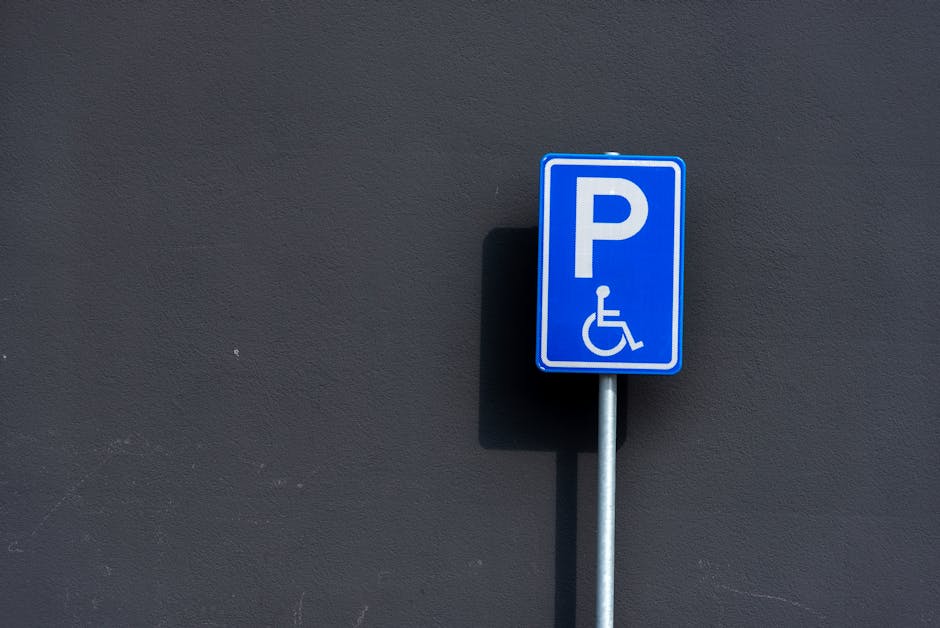
Do I Need a Parking Permit for Removals in Finsbury Park?
If you are planning a move and asking, "Do I Need a Parking Permit for Removals in Finsbury Park?", the short answer is: probably yes, or at least it is something you should check very early. In a busy part of North London, parking can be tight, bays can be controlled, and a removal van left in the wrong place can turn a smooth move into a stressful one very quickly. Not ideal when you are already juggling boxes, keys, and that one drawer everyone forgets until the last minute.
This guide explains when a parking permit may be needed, why it matters, how the process usually works, and what practical steps can save you time, money, and a lot of needless faff. It also covers common mistakes, best practices, and the kind of moving-day details that people only think about once the van is already outside.
Whether you are arranging a home move, an office relocation, or a simple furniture pick-up, understanding parking rules in Finsbury Park can make a real difference. A few minutes of planning now can prevent delays later, and that is often the difference between a calm move and a chaotic one.
Contents
- Why parking permits matter during removals in Finsbury Park
- How parking permits for removals usually work
- Key benefits and practical advantages
- Who needs a permit and when it makes sense
- Step-by-step guidance
- Expert tips for a smoother move
- Common mistakes to avoid
- Tools, resources and recommendations
- Law, compliance, standards and best practice
- Options and comparison table
- Real-world example
- Practical checklist
- Conclusion
- Frequently asked questions
Why Do I Need a Parking Permit for Removals in Finsbury Park? Matters
Parking sounds like a small detail until the removal truck arrives and there is nowhere sensible to stop. Then it becomes the whole story. In Finsbury Park, the streets around homes, flats, and commercial buildings can be narrow, busy, and heavily managed. If a van blocks a bay without permission, the move can be delayed, the crew may have to park further away, and your loading time suddenly stretches out.
That matters for three simple reasons. First, time. Removals are usually booked in slots, and every extra minute spent circling for parking eats into that schedule. Second, access. If the van cannot get close to the property, the team has to carry furniture farther, sometimes up steps or through awkward corners. Third, compliance. You do not want to create avoidable parking issues on moving day, especially when the street is already tight and everyone is trying to get on with their own day.
There is also the human side of it. You can hear the frustration build when a mover has to double-park and keep checking the road while you are still looking for the kettle. It is not dramatic, but it is enough to spoil the rhythm of the day. In our experience, a little permit planning often saves more stress than people expect.
If you are arranging a bigger household move, services like home moves or house removalists usually benefit most from parking preparation, because the vehicle size and loading time make access even more important. Smaller moves may still need attention too, especially in streets with resident bays, timed restrictions, or limited waiting areas.
How Do I Need a Parking Permit for Removals in Finsbury Park? Works
The exact process depends on where the vehicle will stop, how long it will stay, and what the local parking controls allow. In plain English, the question is not just whether you need a permit in general. It is whether the removal vehicle will be parking in a controlled bay, suspended space, loading area, or another restricted spot while the move takes place.
Most people start by checking the street outside both the old and new property. That sounds obvious, but it is often skipped. One side of the road may have visitor bays, while the other has resident-only restrictions. A van that fits one side might be illegal on the other. Tricky, and very easy to miss if you are focused on packing plates wrapped in old newspapers at 8am.
Typical situations where parking permission may be required include:
- parking in resident permit bays
- stopping in a limited waiting bay for longer than allowed
- using suspended bays or access-restricted areas
- loading or unloading where local rules limit stopping time
- positioning a large removal vehicle in a narrow street with active restrictions
Smaller vehicles, such as those used for a man and van or man with van service, may sometimes be easier to place close to the property. Even then, a permit or special parking arrangement can still be the safer choice if the street is busy or tightly controlled.
For commercial moves, the same logic applies, but the stakes are often higher because office buildings may sit on busy roads, loading windows may be tighter, and business disruption can be expensive. If that sounds familiar, a planned commercial moves approach usually saves a lot of last-minute scrambling.
Key Benefits and Practical Advantages
Getting parking sorted before the move sounds like admin. It is. But it is useful admin, and there is a difference. When the vehicle can park properly, the whole day tends to run more smoothly.
Here are the main advantages:
- Faster loading and unloading. The crew can work close to the entrance, which reduces carrying distance.
- Less physical strain. Shorter trips between the van and the property matter when moving heavy furniture.
- Lower risk of delays. No hunting for a space, no awkward circling the block, no waiting while someone moves a car.
- Reduced parking fines or complaints. A permit or clear parking plan helps avoid unnecessary headaches.
- Better schedule control. The move is more likely to finish on time, which matters if cleaners, landlords, or new occupants are waiting.
There is another benefit that people do not always think about: calmer decision-making. When the parking side is handled, the day feels less reactive. You are not negotiating with the street. You are just moving.
If you are hiring a larger vehicle, especially a moving truck or arranging removal truck hire, parking becomes even more important because the vehicle may need more space to manoeuvre and a more deliberate stop. That is especially true on roads where one poorly parked car can narrow the whole street.
Who This Is For and When It Makes Sense
The honest answer? Most people moving in or out of busy parts of Finsbury Park should at least check the parking situation. It is not only for huge house moves. Small relocations can run into the same issue if the street is restricted.
This is especially relevant if you are:
- moving from a flat with limited roadside access
- using a van or truck that needs to park close to the front door
- moving during weekday daytime hours when restrictions are more likely
- relocating an office or shop with fixed loading times
- collecting bulky items such as sofas, wardrobes, or appliances
- managing a same-day move where time is already tight
A quick furniture collection may seem too small to worry about, but even then, the wrong parking decision can slow everything down. For single-item or small-load jobs, a service such as furniture pick up can still benefit from knowing where the vehicle can stop without causing hassle.
If your move includes packing help, access planning is worth discussing alongside the packing schedule. A neatly stacked box is great, but it does not help much if the van is three doors away and there is a flight of stairs in between. If you want the whole move to feel more coordinated, packing and unpacking services can make the timing easier to manage too.
Step-by-Step Guidance
If you want a practical answer to the parking permit question, use this simple process. It is not glamorous, but it works.
- Check both addresses. Look at the street outside the current property and the destination property. Do not assume they have the same parking rules.
- Identify the type of bay or restriction. Is it resident-only, shared use, loading only, pay-and-display, or something else? Read the signs carefully, including the time limits.
- Estimate how long the vehicle will need. A small flat move may only need a short loading window. A full house move can take much longer.
- Speak to the removal provider early. A good crew will know what size vehicle is sensible and whether a permit or parking suspension should be arranged.
- Arrange the permit or authorisation if needed. Do this with enough lead time. Last-minute arrangements are where people usually get caught out.
- Plan the access route. Think about gates, lifts, stairwells, tight corners, and whether the vehicle can get close enough to the entrance.
- Keep proof handy. If a permit or authorisation is issued, have it available on moving day in case it needs to be displayed or checked.
That is the whole game, really. Check, confirm, arrange, then move. Simple on paper. Slightly messier in real life, of course, but manageable.
If the move is business-related, the same process usually applies with more attention to timing. An office move can be less about volume and more about staying out of everybody's way. For that, office relocation services can help coordinate access, vehicle size, and moving windows so the day does not turn into an obstacle course.
Expert Tips for Better Results
Here are the small things that make a surprisingly big difference.
- Book parking planning before you book the lift-out time. It is much easier to adjust the move than to fix a parking problem after the vehicle has arrived.
- Use the smallest practical vehicle. Sometimes a smaller van is easier to position than a larger lorry, especially on narrow residential streets.
- Allow buffer time. If you think loading will take two hours, give yourself more breathing room. It rarely goes the other way.
- Tell neighbours if space will be tight. A quick polite heads-up can prevent awkward conversations on the morning.
- Check for school runs, bin days, or morning traffic patterns. Finsbury Park can be lively early on, and road conditions change quickly.
- Have a plan for overspill parking. If the ideal spot is taken, know where the next legal option is.
One small, slightly nerdy truth: a moving day often feels smoother when the parking plan is boring. Boring is good. Boring means the van is where it should be, the sofa gets out the door without drama, and nobody is waving their arms in the middle of the road like they are directing aircraft.
If you are unsure whether your load needs a full truck or a lighter setup, comparing vehicle options can help. A moving truck may be useful for larger loads, but a smaller vehicle can sometimes be the smarter choice for tight streets and limited stopping space.
Common Mistakes to Avoid
Most parking problems are preventable. The frustrating part is that people often only spot them when the van has already arrived.
- Assuming the same rules apply at both addresses. They often do not.
- Ignoring temporary restrictions. Roadworks, bay suspensions, and event-related changes can alter normal parking options.
- Leaving permit arrangements too late. Same-day fixes are possible in some situations, but they are not something to rely on.
- Choosing a vehicle that is too large for the street. Bigger is not always better.
- Not telling the mover about access issues. If there is a narrow alley, a steep step, or no legal stopping place nearby, say so early.
- Forgetting building rules. Flats and offices sometimes have separate loading procedures that matter just as much as street parking.
One more thing: do not assume that because a space looks empty, it is available. That is how people end up with a stressful note under the wiper, and nobody wants that on moving day.
Tools, Resources and Recommendations
You do not need a toolbox full of specialist software to handle this well. Mostly you need a clear head, a phone, and a willingness to check details before the big day.
Useful things to have ready include:
- the exact moving address and postcode
- the planned moving date and estimated arrival time
- details of vehicle size, if known
- building access notes, including lifts and stair access
- any relevant parking signs or restrictions noted in advance
- a contact number for the property manager or organiser
For some customers, it also helps to combine parking planning with moving support. If you want a more hands-on service that keeps the day moving efficiently, man and van or man with van options can be useful for smaller or more flexible moves.
And if the job involves only one or two bulky items, a focused collection service may be all you need. That is where furniture pick up can be a practical fit, especially when access is straightforward but street parking still needs a quick check.
Law, Compliance, Standards, or Best Practice
Parking rules are not just a moving inconvenience; they are part of normal road and local parking compliance. The exact requirements can vary by street, bay type, time of day, and vehicle. So the safest approach is to treat parking as a planning task, not an assumption.
As a general rule, you should:
- follow all displayed parking signs carefully
- respect permit-only, loading-only, and time-limited restrictions
- avoid blocking access, dropped kerbs, or emergency routes
- check whether a temporary parking arrangement is needed for the vehicle size and duration
- allow enough time for any authorisation or permission process
Best practice in the removals industry is simple: do not leave parking to chance. Good movers tend to ask about access early because they know it affects everything else. That is not overcautious, it is professional. There is a reason seasoned crews ask the annoying questions first.
If your move is linked to business operations, responsible planning matters even more. Commercial relocations often involve shared buildings, deliveries, and neighbours who do not want the pavement blocked at 10am on a Monday. Coordinating that properly is part of what makes commercial moves run cleanly.
Options, Methods, or Comparison Table
There is more than one way to manage parking for a removal. The best choice depends on the street, the vehicle, and how long you need access for.
| Option | Best for | Advantages | Drawbacks |
|---|---|---|---|
| No permit, legal unrestricted parking nearby | Very small moves or flexible streets | Simple and low effort | Rare in busy areas; may not be close enough to the property |
| Resident or visitor permit arrangement | Home moves in controlled streets | Closer access, more certainty | May need advance planning and confirmation |
| Temporary parking suspension or loading arrangement | Longer removals or larger vehicles | Best access near the property | More planning required, sometimes limited availability |
| Smaller van instead of larger truck | Narrow streets and shorter jobs | Easier manoeuvring, less street pressure | May need more trips if the load is large |
If you are weighing up the right vehicle, the simplest rule is this: the biggest vehicle is not automatically the best one. Sometimes a slightly smaller option gives you better parking, less stress, and a better chance of finishing on time. That is especially true for local removals where the street layout matters as much as the load.
Case Study or Real-World Example
Imagine a flat move on a Friday morning in Finsbury Park. The property is on a street with controlled bays, and the removal team is due at 9am. On paper, it looks easy enough. But the first available space outside the building is a resident bay, and the next legal stop is a short walk away.
If nobody checks the parking rules in advance, the crew may spend ten or fifteen minutes circling. Then they may need to park farther from the entrance, carry boxes down the pavement, and lose momentum before the heavy items even come out. By the time the wardrobe is ready, everyone is already a bit tired. Not a disaster, but you can feel the day slipping.
Now compare that with a move where the parking is sorted beforehand. The van arrives, stops legally near the property, and the team starts loading immediately. The pace is steadier. The flat empties faster. The person moving out is less frazzled. The whole thing feels more like a plan and less like a puzzle.
That is why parking is not a side issue. It shapes the tempo of the whole move.
Practical Checklist
Use this checklist before moving day. It is simple, and yes, it helps.
- Confirm the exact moving date and time window
- Check parking rules at both properties
- Note any resident bays, loading bays, or time limits
- Measure or estimate the vehicle size needed
- Tell the removal team about stairs, lifts, or narrow access
- Arrange any permit or parking authorisation in advance
- Keep contact details for the organiser and property manager close by
- Prepare items for quick loading near the exit
- Protect fragile items so they can be carried efficiently
- Have a backup plan if the closest legal space is unavailable
Expert summary: if the move is in a tightly controlled area, treat parking as part of the move itself, not a separate task. Once that clicks, everything else gets easier.
Conclusion
So, do you need a parking permit for removals in Finsbury Park? In many cases, the sensible answer is that you should expect to check, arrange, or at least plan for one. The more controlled the street, the more important it becomes. And if you are using a larger van or truck, parking is not just a detail, it is one of the main factors that decides how smooth the day will feel.
The good news is that this is all very manageable. A little checking, a bit of coordination, and a realistic view of street access can save a surprising amount of stress. That is especially true for home moves, office relocations, and furniture collections where every minute matters.
If you want a move that feels organised rather than improvised, start with access, parking, and vehicle choice. The rest tends to fall into place much more neatly than you might expect.
Get a free quote today and see how much you can save.
And if you take only one thing from this guide, let it be this: a calm moving day usually starts with one boring but brilliant decision the day before.
Frequently Asked Questions
Do I always need a parking permit for removals in Finsbury Park?
No, not always. It depends on where the removal vehicle will park, how long it will stay, and whether the street has controlled bays or other restrictions. Some moves can be done legally without a permit if unrestricted parking is available nearby, but in busy areas that is not something to assume.
How far in advance should I check parking for my move?
As early as possible. A few days ahead is better than leaving it to moving morning. That gives you time to check both addresses, confirm any restrictions, and make alternate plans if the closest bay is not suitable.
Can a man and van service handle parking more easily than a large truck?
Usually, yes. A smaller vehicle is often easier to position in a narrow street and may offer more flexibility. That said, even a small van can still need permission if parking is controlled, so size helps but does not remove the need to check.
What happens if the van cannot park close to the property?
The crew may need to park farther away and carry items over a longer distance. That can slow the move, increase physical effort, and make the schedule less predictable. It is workable, but not ideal.
Do office removals need the same parking planning as home moves?
Yes, and sometimes more. Office buildings often have loading rules, shared access points, and time-sensitive parking constraints. Coordinating this in advance helps avoid disruption for staff, neighbours, and deliveries.
Is parking permission the same as a parking permit?
Not always. In everyday speech people often use the terms loosely, but practically speaking you may be dealing with a resident permit, visitor arrangement, temporary suspension, loading allowance, or another form of parking authorisation.
Should I arrange parking if I am only moving a few items?
If the street is quiet and unrestricted, maybe not. But if you are collecting bulky furniture or moving from a controlled road, it is still worth checking. Small jobs can run into the same parking problems as larger ones.
Can I rely on the removal team to sort the parking side?
Some teams can help guide you, but it is safest to confirm who is responsible for what before moving day. The property holder or organiser often needs to provide address details and parking information, even if the mover helps with planning.
What is the biggest mistake people make with removals parking?
Assuming there will be a space outside the property. That is the classic one. Streets change quickly, and what looks available from a quick glance may still be restricted, reserved, or unsuitable for loading.
What should I tell my removal company about parking?
Tell them about the exact address, any restrictions, the type of street, the available bays, and whether there are access issues like narrow entrances or steps. The more practical detail you give, the easier it is for them to plan properly.
Where can I get help if I need a moving vehicle and parking support?
If you need a service that fits the job, whether that is a smaller van, a larger truck, or full moving support, it helps to speak with a provider that understands local access issues. For more about the company and how it works, you can also review the about us page or reach out through the contact us page.
Can packing help make parking easier to manage?
Indirectly, yes. Good packing speeds up loading and unloading, which means the vehicle spends less time parked. That matters in controlled streets, because the less time the van is stationary, the easier the whole operation tends to be.
If you are planning ahead and want to understand the moving terms, service options, or customer conditions before booking, it is sensible to look at the relevant pages, including terms and conditions and privacy policy.